The Ultimate Guide to SEO for Small Business Websites
Published on 2024-10-03
In today’s digital age, search engine optimization (SEO) is critical for small businesses aiming to gain visibility and attract more customers. When executed correctly, SEO can help your business rank higher in search engine results, driving more organic traffic to your website. This guide will provide a comprehensive overview of SEO, from on-page and off-page strategies to technical SEO and local optimization.
If you’re a small business owner or marketer looking to get started with SEO, this guide is for you!
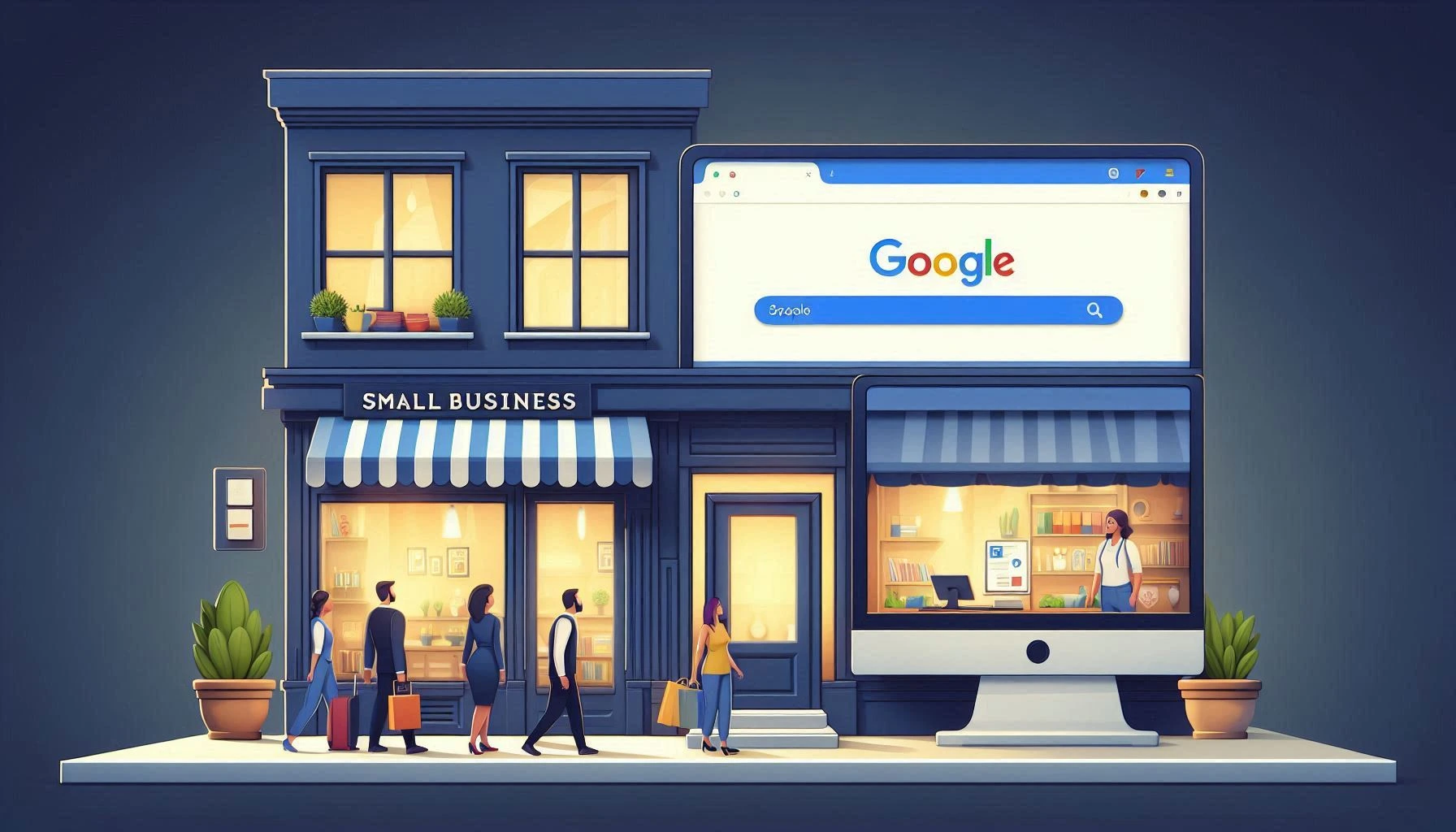
Table of Contents
- What is SEO?
- Why SEO Matters for Small Businesses
- On-Page SEO Basics
- Meta Titles and Descriptions
- URL Structure
- Header Tags
- The Importance of Keyword Research
- Content Optimization for SEO
- Technical SEO Fundamentals
- Local SEO Strategies
- Building Quality Backlinks
- How to Track SEO Success
- Final Thoughts
1. What is SEO?
SEO, or Search Engine Optimization, refers to the process of optimizing your website to increase its visibility for relevant searches. The better visibility your web pages have in search results, the more likely you are to attract attention and prospective customers.
When someone types a query into a search engine like Google, SEO helps ensure that your website is one of the first results they see. This is done by optimizing your website’s structure, content, and backlinks so search engines can easily understand and rank it.

2. Why SEO Matters for Small Businesses
For small businesses, SEO is crucial because it allows you to compete with larger companies, often without the need for expensive marketing campaigns.
Benefits of SEO for Small Businesses:
- Increased Online Visibility: Ranking high on Google and other search engines allows potential customers to find your business.
- Cost-Effective Marketing: Unlike paid ads, organic search traffic is free, offering a more sustainable long-term strategy.
- Builds Credibility and Trust: Websites that appear on the first page of search results are often seen as more trustworthy.
- Attracts Targeted Traffic: SEO allows you to target people actively searching for products or services that you offer.
3. On-Page SEO Basics
On-page SEO refers to the practices used to optimize individual pages on your website to rank higher and earn more relevant traffic.

3.1 Meta Titles and Descriptions
Meta titles and descriptions are crucial elements in on-page SEO because they tell both search engines and users what your page is about.
- Title Tags: Keep your title tags concise and relevant (under 60 characters) while incorporating your primary keyword. For example:
Affordable Web Design Services for Small Businesses. - Meta Descriptions: Although meta descriptions don’t directly affect rankings, a well-crafted description can increase click-through rates (CTR). Keep it under 160 characters, and make sure to include your focus keyword.
3.2 URL Structure
A clean, keyword-rich URL structure helps both users and search engines understand the content of your page.
- Keep URLs short and descriptive.
- Avoid unnecessary numbers or special characters.
For example, use:
/web-design-services
Instead of:
/web-design.php?id=1234
3.3 Header Tags (H1, H2, H3)
Proper use of header tags helps search engines crawl your content and improves readability for users.
- H1 Tag: Your main heading should clearly describe the page’s topic and contain your primary keyword.
- H2 and H3 Tags: Use subheadings (H2, H3) to organize your content into sections, making it easier for readers to navigate.
4. The Importance of Keyword Research
Keyword research is a fundamental part of any SEO strategy. By identifying the keywords your audience is searching for, you can optimize your content to meet their needs.

How to Conduct Keyword Research:
- Brainstorm: Start by listing out the services or products your business offers.
- Use SEO Tools: Tools like Google Keyword Planner, Ahrefs, and Ubersuggest help you find keywords with good search volume and low competition.
- Analyze Competitors: Look at the keywords your competitors are ranking for to identify potential opportunities.
- Focus on Long-Tail Keywords: These are longer, more specific phrases (e.g., “affordable web design services for small businesses”). Long-tail keywords often have lower competition and higher conversion rates.
5. Content Optimization for SEO
Once you have your keywords, you need to strategically place them throughout your website’s content. However, keyword stuffing (using keywords unnaturally) can lead to penalties.
Best Practices for Content Optimization:
- High-Quality Content: Create content that answers your audience’s questions and provides real value. Search engines reward sites with engaging, relevant content.
- Keyword Placement: Use your main keywords in the title, first paragraph, headers, and naturally throughout the body. Aim for a keyword density of about 1-2%.
- Internal Linking: Link to other pages on your site using relevant anchor text. This helps search engines understand the structure of your website and keeps visitors on your site longer.
- Image Optimization: Use descriptive filenames and alt tags for your images, incorporating keywords when relevant. Compress images to improve load times.
6. Technical SEO Fundamentals
Technical SEO involves optimizing the backend structure of your website to make it easier for search engines to crawl and index your site.
Key Areas to Focus on:
- Site Speed: Slow websites frustrate users and hurt rankings. Use tools like Google PageSpeed Insights to identify ways to optimize load times.
- Mobile-Friendliness: A mobile-responsive design is crucial, as Google prioritizes mobile-first indexing.
- SSL Certificate: HTTPS is now a ranking factor, so ensure your website is secure.
- XML Sitemap: Submit an XML sitemap to search engines like Google to help them index your website’s pages efficiently.
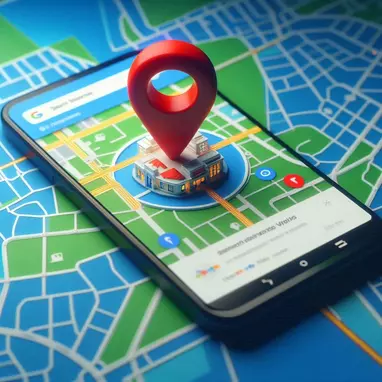
7. Local SEO Strategies
For small businesses, especially those targeting local customers, local SEO can help you attract more foot traffic and online visibility.
How to Improve Your Local SEO:
- Google My Business (GMB): Create and verify a GMB profile to increase your visibility in local searches and Google Maps results.
- Local Keywords: Use location-specific keywords like “web design services in [Your City]” to target customers in your area.
- NAP Consistency: Ensure your business Name, Address, and Phone Number (NAP) are consistent across your website, social profiles, and local directories.
8. Building Quality Backlinks
Backlinks from authoritative websites signal to search engines that your website is trustworthy and credible. However, it’s not just about quantity—quality matters more.
Ways to Build Backlinks:
- Guest Posting: Write guest posts for industry-related blogs and include a link back to your website.
- Local Listings: Get listed in local business directories or industry-specific listings.
- Partner Websites: Collaborate with business partners and ask for backlinks.
9. How to Track SEO Success
Once you’ve implemented your SEO strategy, it’s important to track your progress and measure results.

Key Metrics to Track:
- Organic Traffic: Use Google Analytics to monitor the amount of traffic coming from organic search.
- Keyword Rankings: Track your rankings for target keywords using tools like Ahrefs or SEMrush.
- Backlink Profile: Monitor your backlinks using tools like Moz or Ahrefs.
- Conversion Rates: Ensure that your SEO efforts are driving leads or sales, not just traffic.
To summarize SEO is a powerful, cost-effective way for small businesses to increase online visibility and attract more customers. By focusing on on-page SEO, content optimization, local SEO, and technical SEO, you can significantly improve your website’s search rankings. Remember that SEO is a long-term strategy, so be patient and consistent with your efforts.
Start optimizing your small business website today, and watch as your search engine rankings—and customer base—grow!